news liquidty manipulation
Trading notes for 2026-02-11
By Sean WeldonTL;DR
Successfully navigated news-driven volatility across both FX and ES markets by recognizing recurring structural patterns. Despite an early stop-out on EUR shorts, quickly adapted to capitalize on the predicted bounce back to highs during NY session, while ES followed its typical 8:30 news reversal playbook.
Market Context
The DXY index continued its downward trajectory following a brief relief rally retracement, creating favorable conditions for EUR strength. This macro backdrop set the stage for the day's price action across multiple instruments.
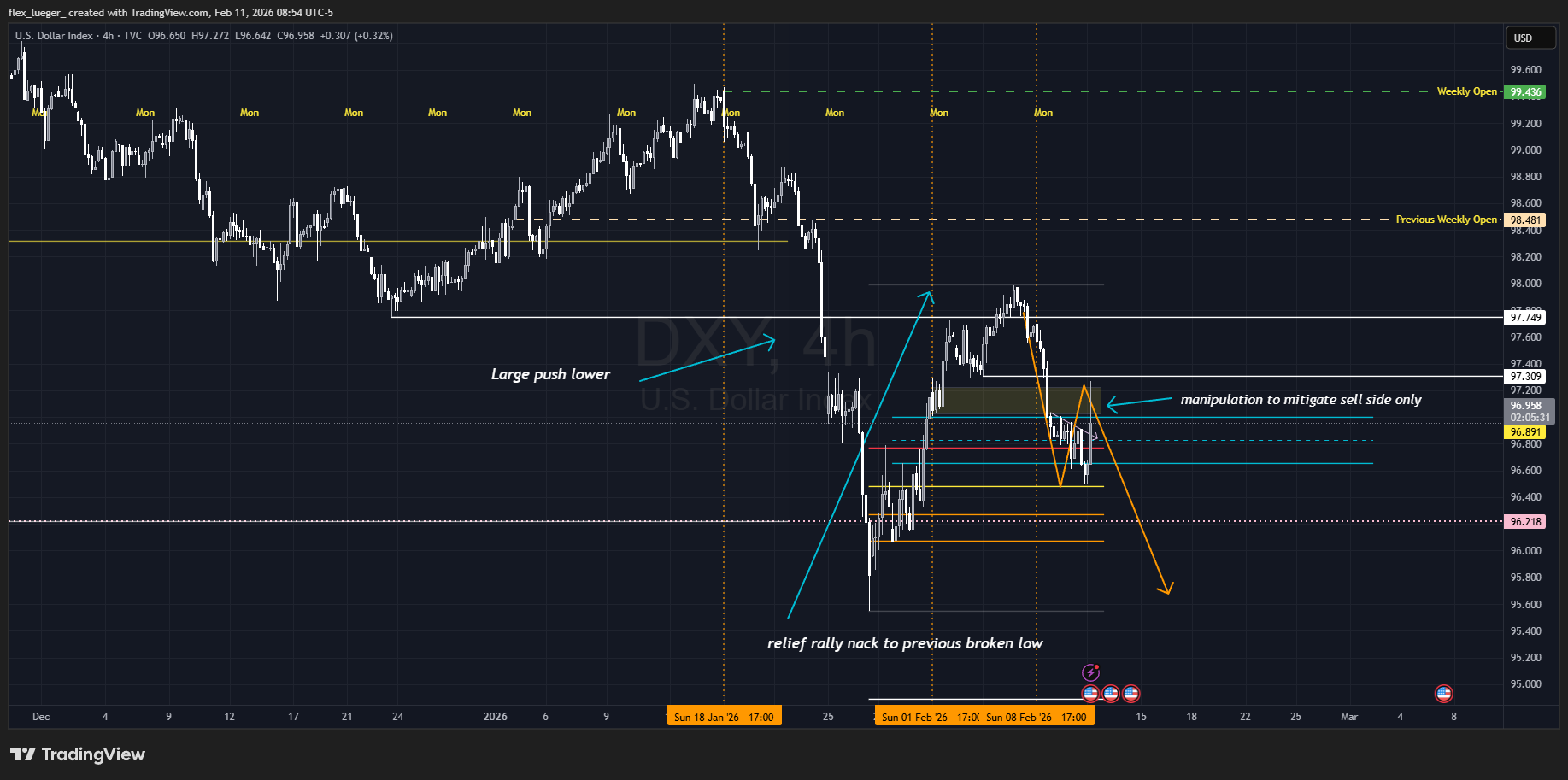
The market was primed for news-driven volatility, with both FX pairs and ES showing distinct behavioral patterns around the 8:30 economic release. Interestingly, the FX markets displayed more complex liquidity dynamics compared to ES, which followed a more straightforward directional move.
Thesis & Plan
My thesis centered on EUR completing a specific structural sequence:
- Form a topping structure going into the news release
- Push lower immediately when news hits, dropping back into the weekly range
- Use this move to mitigate the persistent buy-side pressure we'd seen all week
- Rally back to highs during the NY session
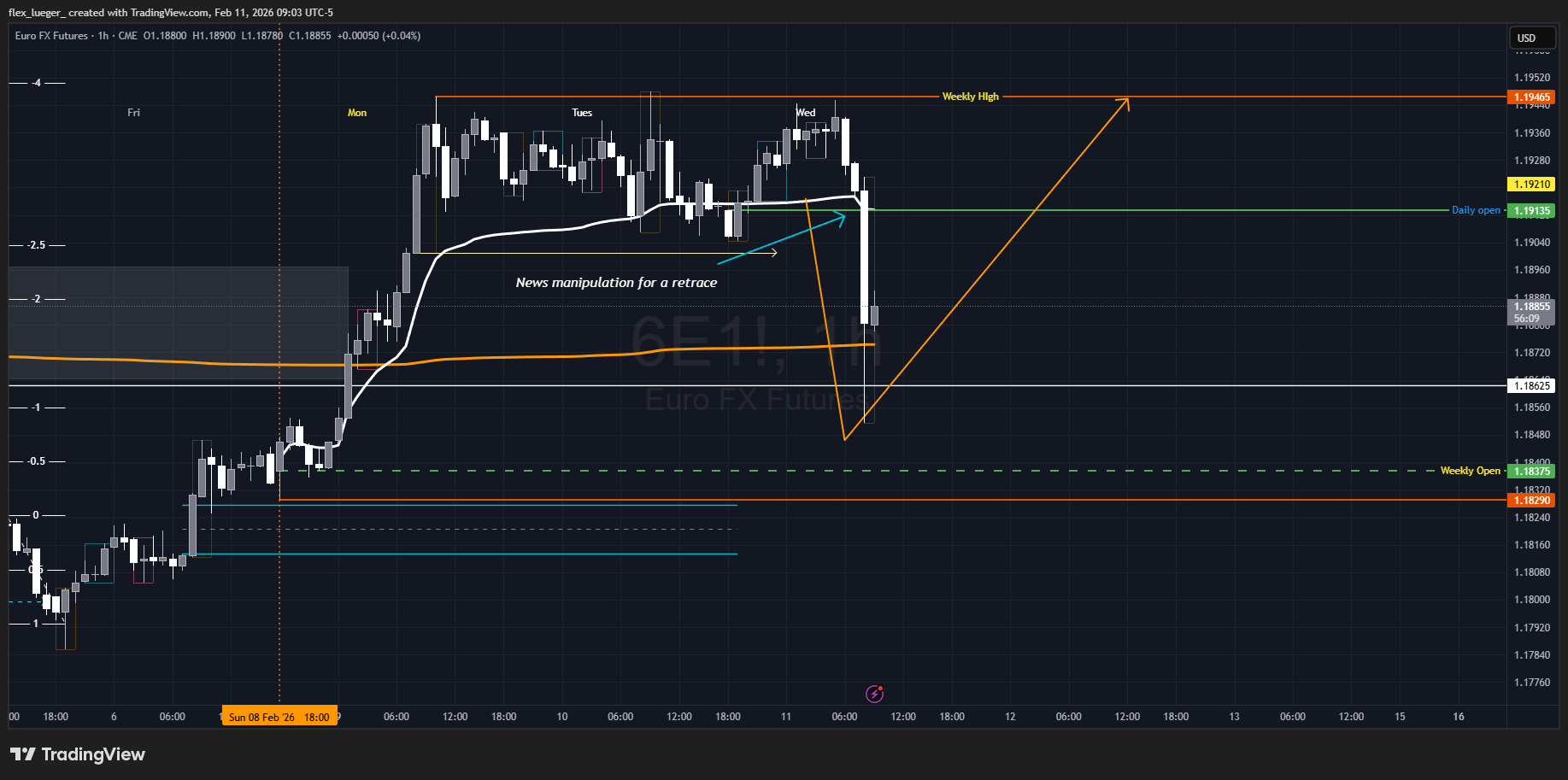
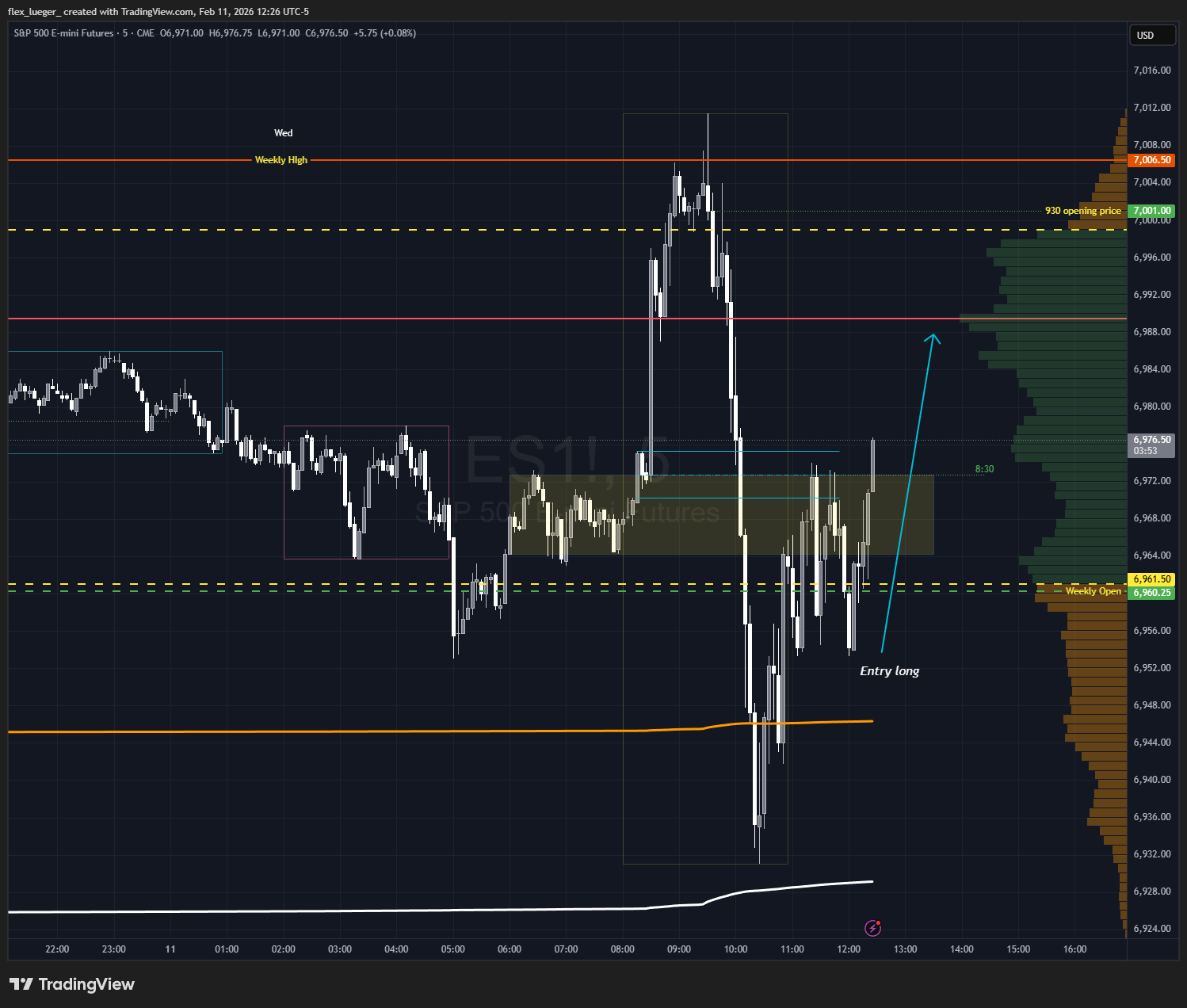
For ES, I anticipated the classic 8:30 news pattern: push to liquidity, take it out, then reverse direction at market open.
Entries & Exits
EUR Short (Failed Trade):
- Entered short position overnight
- Used overly tight stop loss
- Got stopped out during London session for minimal loss
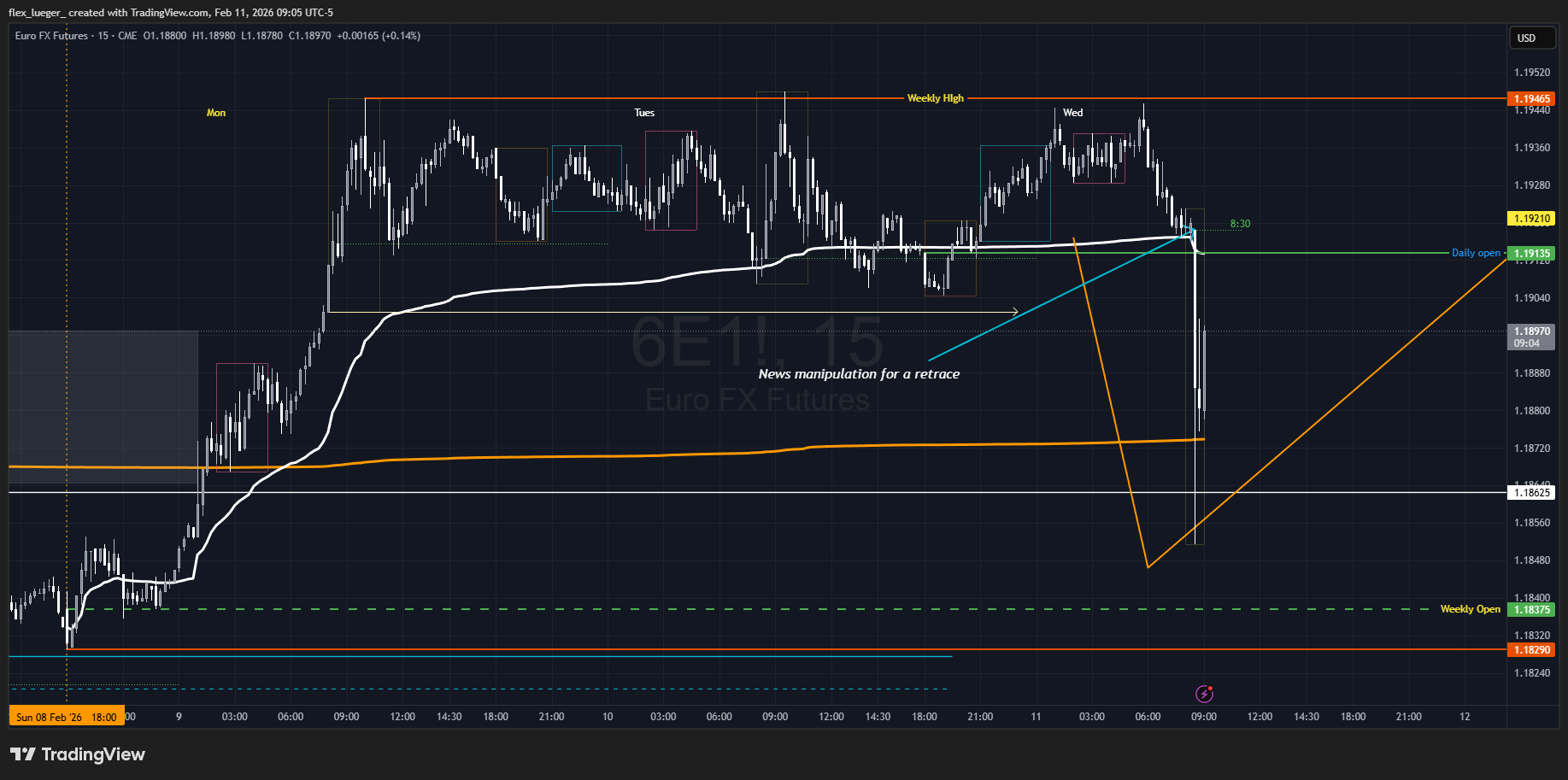
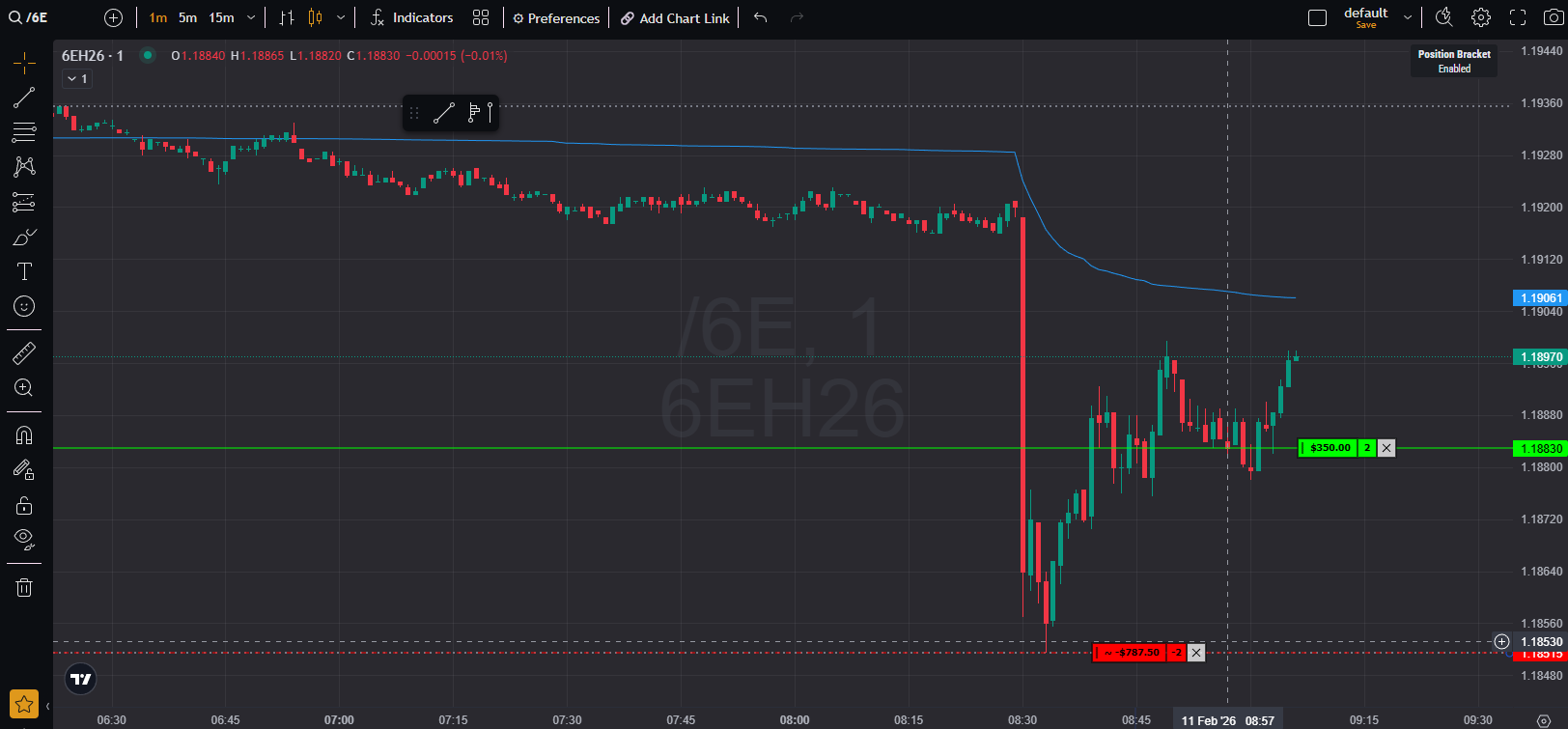
EUR Long (Successful):
- Entered longs on the bounce after the initial news-driven selloff
- Positioned for the anticipated push back to highs during NY session
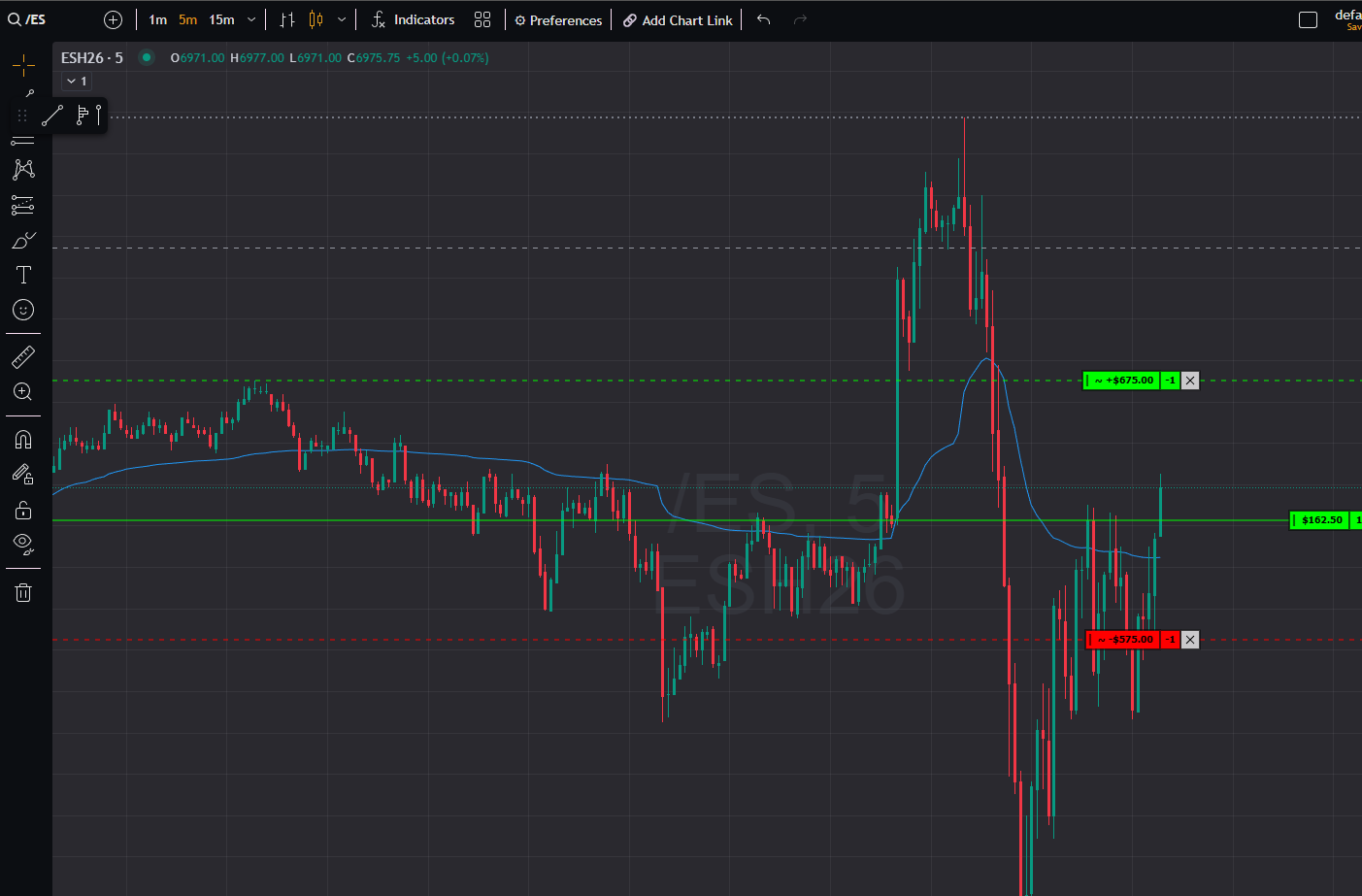
ES Long:
- Entered long position anticipating the post-news reversal higher
- Trade aligned with the predicted structural pattern
Market Behavior Analysis
The FX markets showed more complex behavior compared to ES. While EUR executed the full liquidity grab sequence I anticipated, ES simply pushed higher from the news without the elaborate sell-side liquidity hunt.
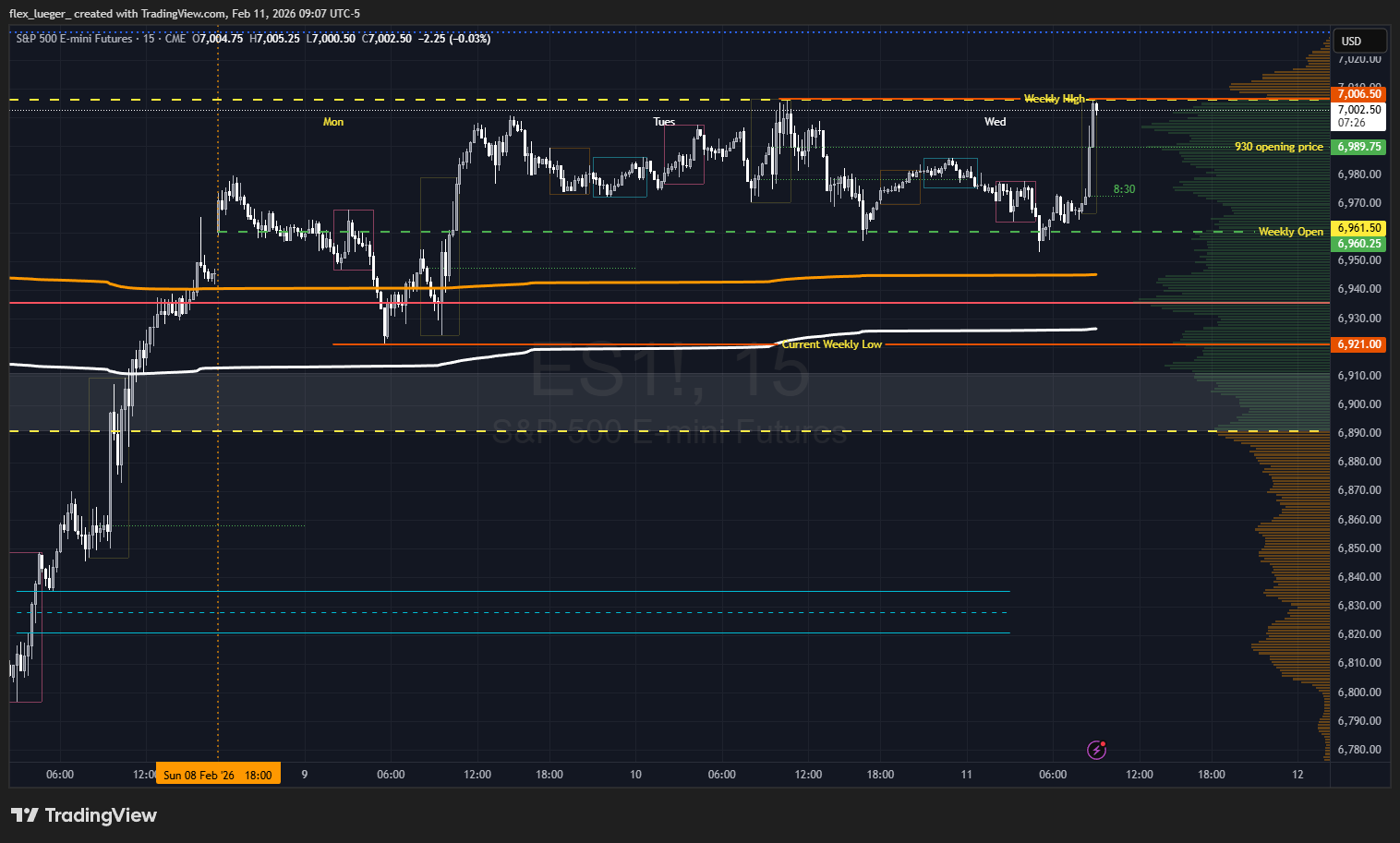
ES followed its textbook pattern - the classic 8:30 news push to liquidity, taking it out, then running in the opposite direction at market open.
Pattern Recognition Challenge
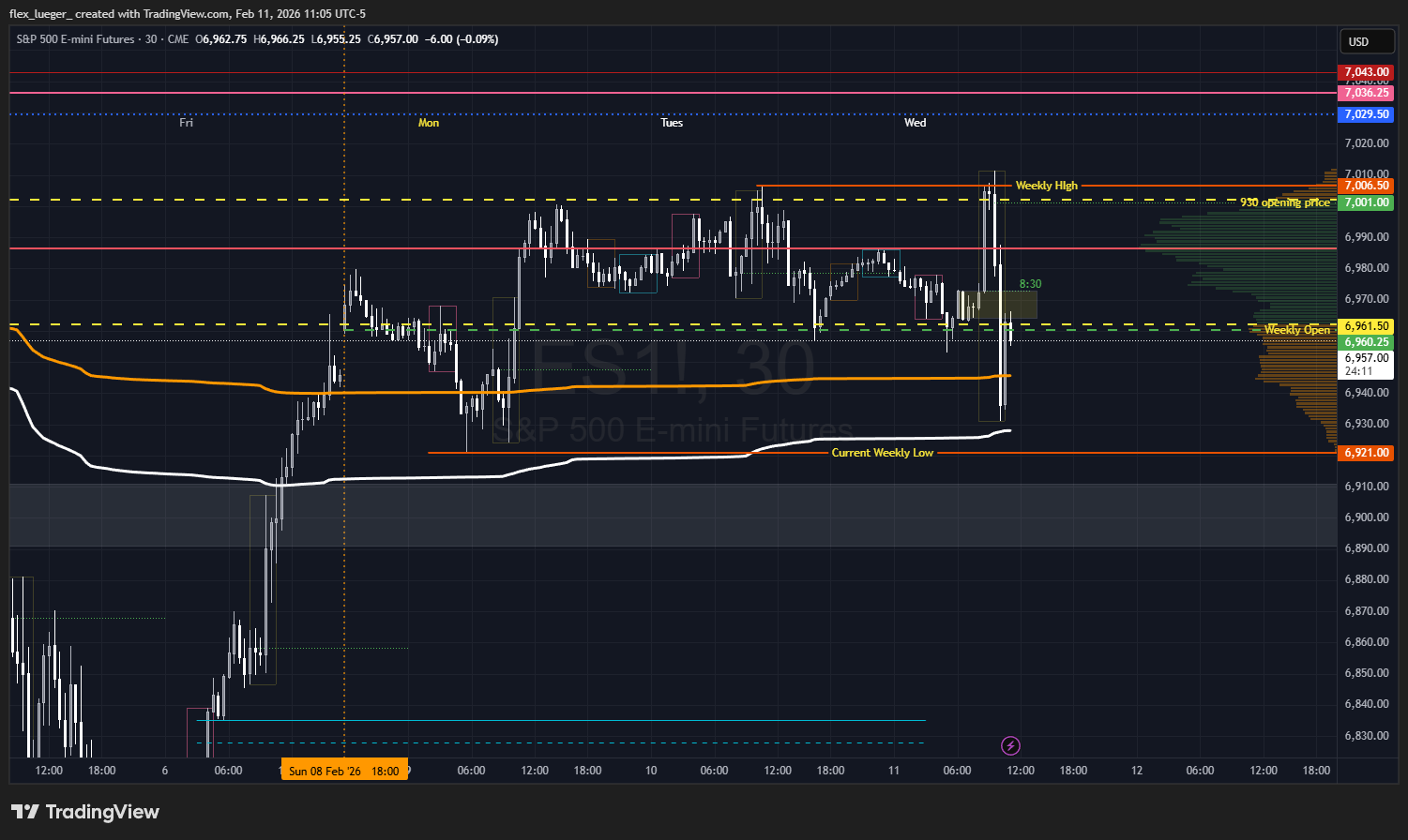
I identified a recurring structural challenge that continues to test my discipline. There's a specific setup (marked in the yellow box) that represents an area completely disregarded by the initial move down. My instinctive reaction is to short this level, but historical experience tells me these apparent short setups often end up pushing through as longs.
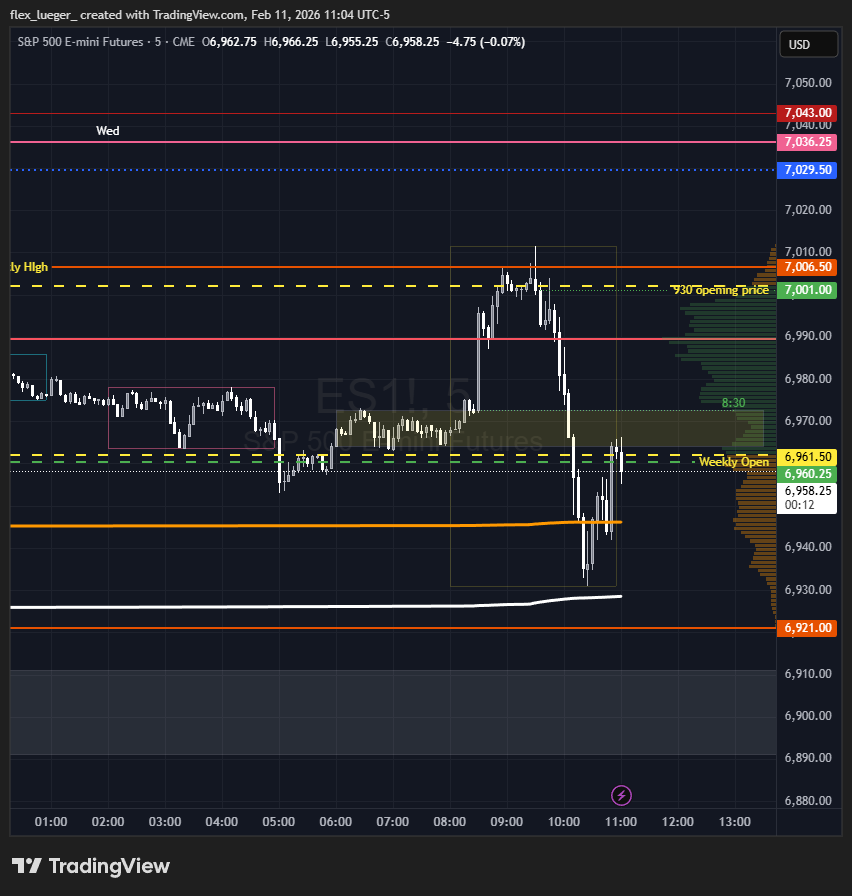
This internal conflict between what looks obvious and what actually tends to happen represents an ongoing area for development in my trading psychology.
Execution Results
The trades unfolded exactly as predicted, validating the structural analysis:
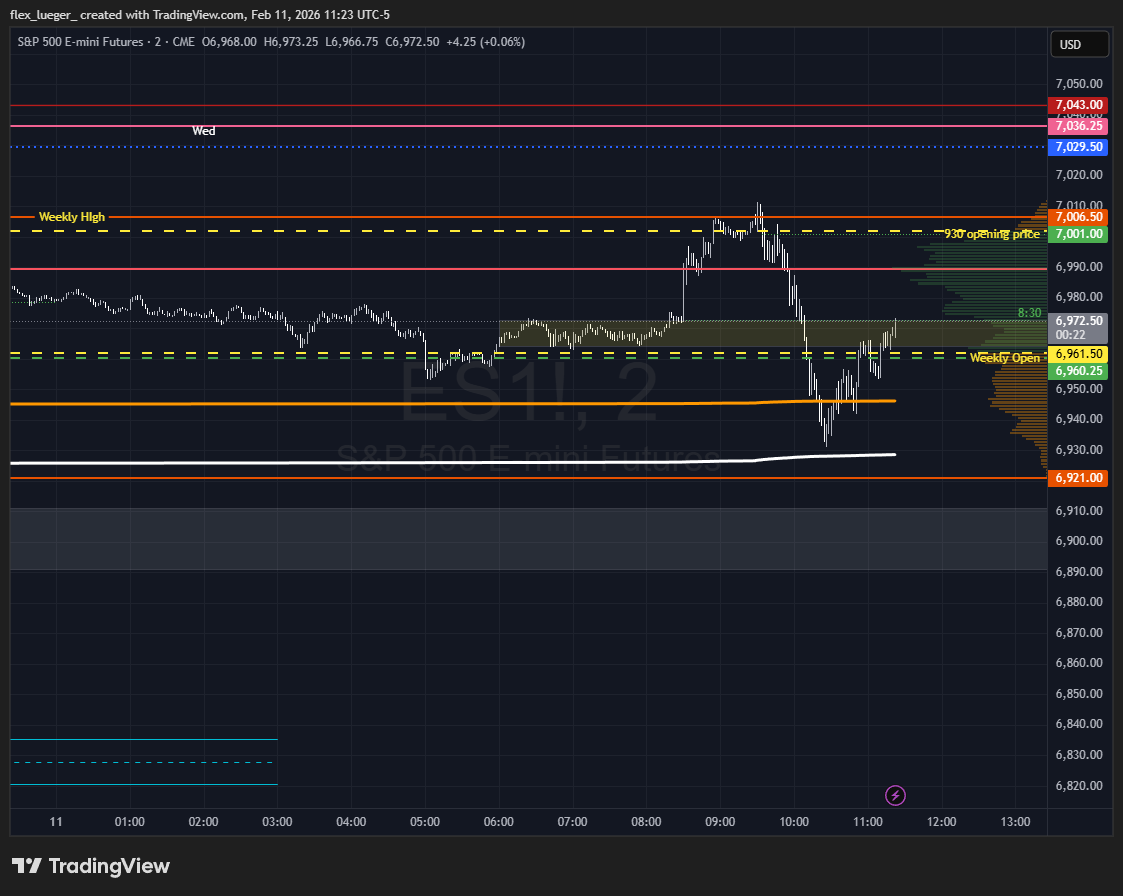
Successfully captured the anticipated push higher in both EUR and ES, demonstrating the value of sticking to the structural thesis despite early setbacks.
What Worked
Pattern Recognition: The standout success was accurately identifying and trading recurring market structures. Both the EUR liquidity grab sequence and the ES 8:30 news reversal played out according to historical patterns.
Adaptability: After getting stopped out of the initial EUR short, I quickly pivoted to the long side when the setup presented itself, rather than stubbornly sticking to the original directional bias.
Multi-Market Analysis: Understanding the different behavioral characteristics between FX and equity index markets allowed for appropriate strategy adjustments across instruments.
What Didn't Work
Risk Management on Initial Short: The stop loss on the overnight EUR short was too tight, resulting in an unnecessary loss on what could have been a profitable setup with proper position sizing.
Overthinking Counter-Trend Setups: Continue to struggle with the yellow box pattern recognition issue - the ongoing internal debate between what appears to be a short setup versus historical performance data showing these typically resolve higher.
Lessons Learned
Trust the Structure: When the structural analysis is sound and based on recurring patterns, maintain confidence in the thesis even after initial setbacks. The EUR trade sequence played out exactly as anticipated despite the early stop-out.
Adapt Risk Management to Session Characteristics: London session volatility requires different stop placement than other sessions. Need to account for typical session-specific price behavior when setting risk parameters.
Market-Specific Behavior Matters: FX markets and ES show distinct behavioral patterns around news events. FX tends toward more complex liquidity operations while ES often follows more direct post-news directional moves.
Pattern Recognition vs. Bias Management: Continue working on the psychological aspect of trading counter-intuitive setups. When historical data contradicts visual setup bias, trust the data over the immediate visual impression.
The key takeaway is that consistent pattern recognition and structural analysis continue to provide edge, but execution refinements around risk management and psychological biases remain areas for ongoing improvement.