null
Trading notes for 2025-08-15
By Sean WeldonTL;DR
Executed a Euro put spread with 50-day options that performed well, giving good downside exposure with manageable time decay. The EUR moved lower as anticipated, validating the bearish thesis and strategy choice.
Market Context
The Euro was showing weakness and I positioned for continued downside movement. The market conditions appeared favorable for a bearish EUR trade, and I opted for an options strategy rather than a direct short position.
Thesis & Plan
My thesis was straightforward - I expected the Euro to move lower from current levels. Rather than taking a simple short position, I chose to structure this as a put spread to define my risk and take advantage of options pricing.
The decision to use 50-day options was strategic, giving me more time for the trade to work out without being too exposed to rapid time decay. This longer timeframe provided the "wiggle room" I wanted in case the move took longer to materialize than expected.
Entries & Exits
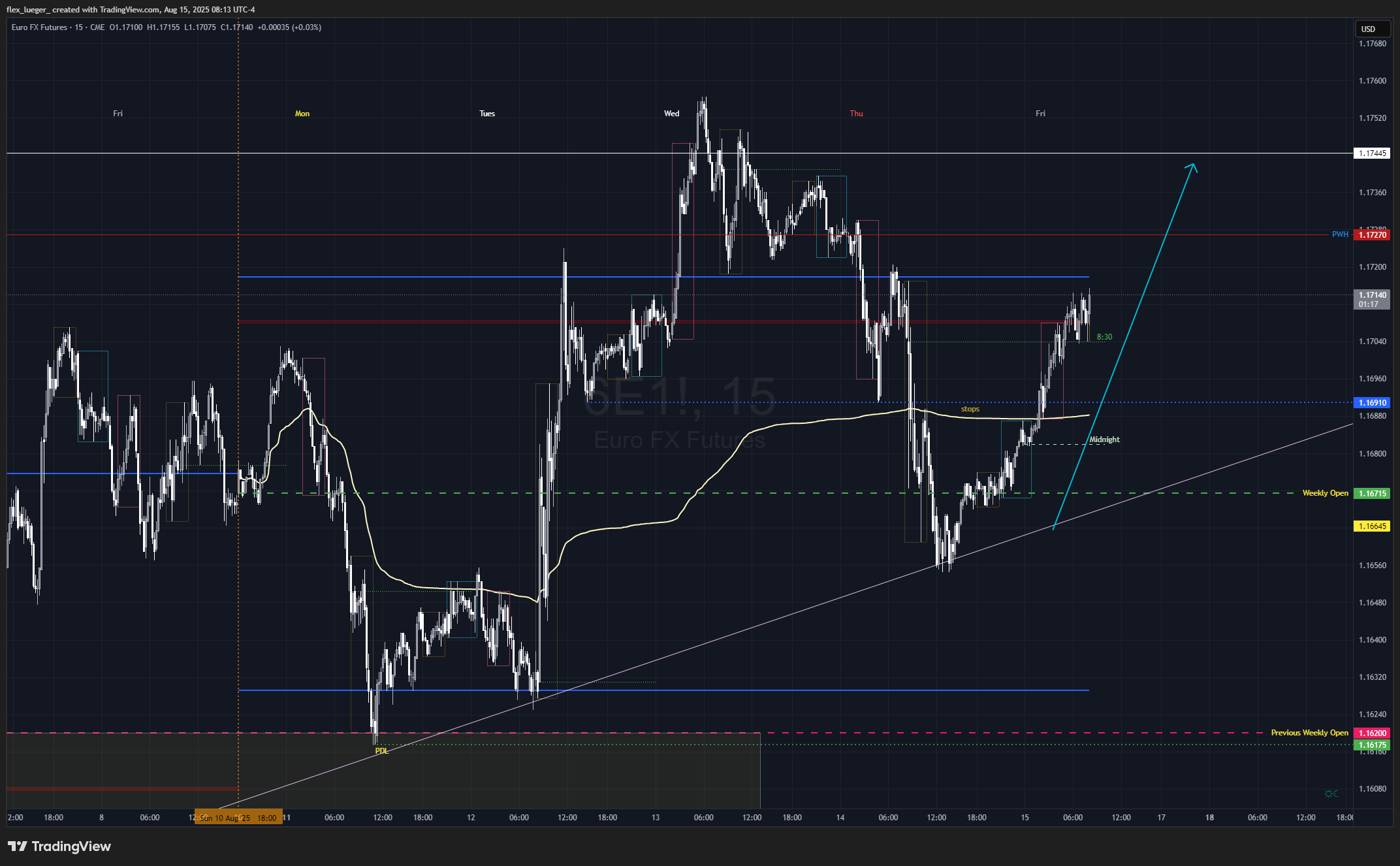

The trade was initiated early in the session, and the structure allowed me to benefit from the expected downward movement while capping my maximum loss.
What Worked
The directional call was spot on - the Euro moved lower just as I had anticipated. The timing of the entry was solid, catching the move from near the beginning.
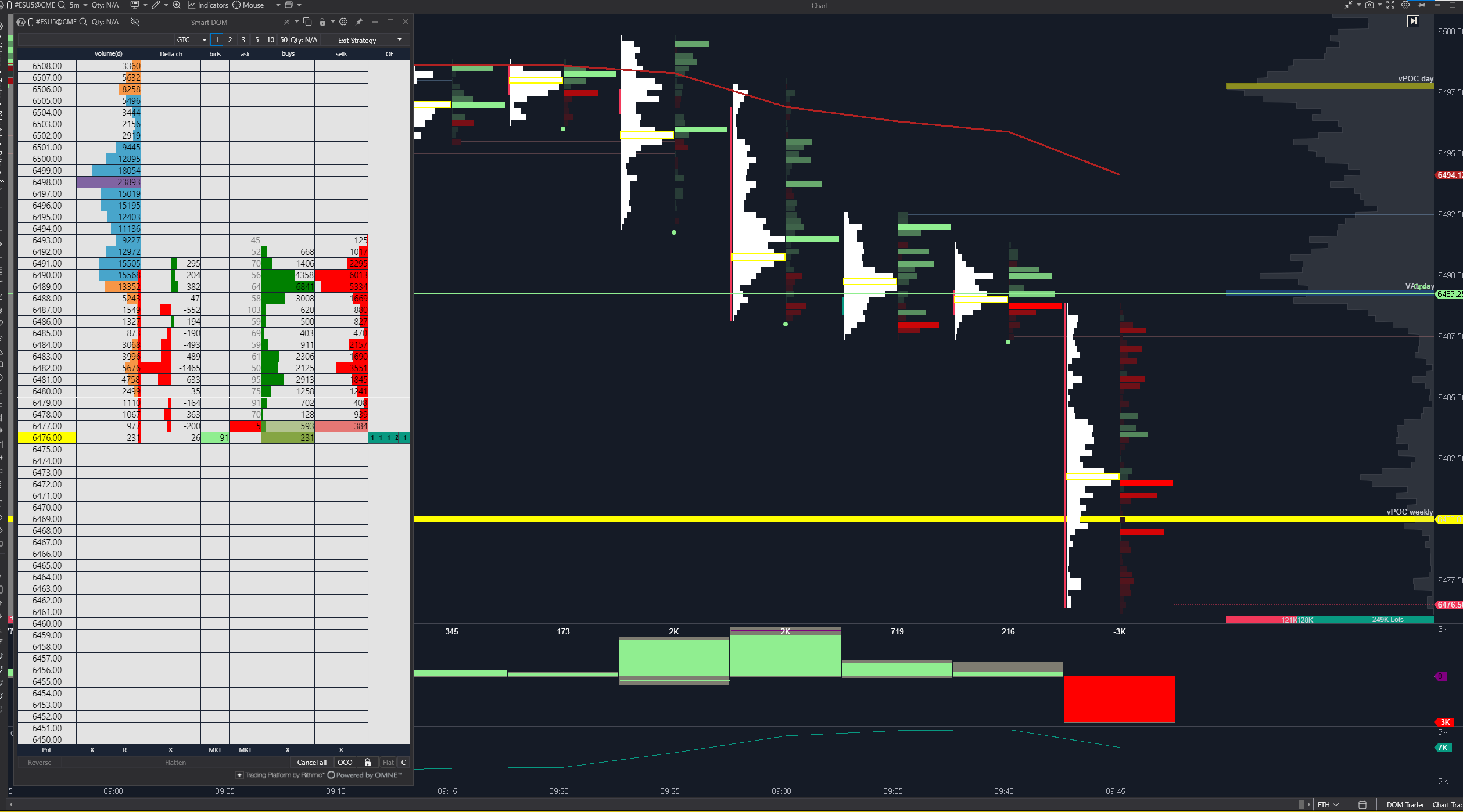
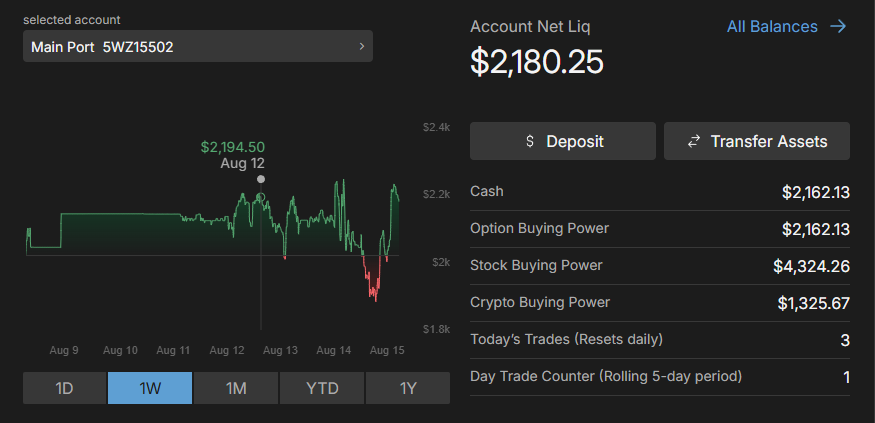
The put spread structure proved to be the right choice for this setup. By using the spread rather than buying outright puts, I was able to reduce the cost of the trade while still capturing the majority of the directional move I was targeting.
The 50-day option selection was particularly smart. This timeframe struck the right balance between cost and flexibility. Shorter-dated options would have been cheaper but would have put more pressure on timing the move perfectly. Longer-dated options would have been more expensive and potentially offered lower returns relative to the premium paid.
Risk Management
The put spread inherently provided defined risk parameters. By selling the lower strike put against my long put, I capped both my maximum loss and maximum gain, creating a favorable risk-reward setup for the anticipated move.
The longer timeframe (50 days) was itself a risk management decision, reducing the impact of time decay and giving the trade room to breathe if the Euro took longer to decline than initially expected.
Lessons Learned
This trade reinforced several important concepts:
• Option structure selection matters - The put spread was more capital efficient than buying puts outright while still capturing the directional move effectively
• Time horizon planning - Choosing 50-day options provided the right balance between cost and time flexibility, allowing the trade to work without being rushed by time decay
• Directional conviction with defined risk - When I have a clear directional view, using spreads allows me to express that view while maintaining controlled risk parameters
• Patience pays off - The longer timeframe gave me confidence to hold through any short-term noise and let the underlying trend play out
The success of this trade validates my approach of using options spreads when I have directional conviction but want to manage both cost and risk. The Euro put spread delivered exactly what I was looking for - good exposure to the downside move with manageable time decay and defined maximum loss.
Going forward, I'll continue to consider 50-day options when I want that sweet spot between time premium cost and trade flexibility. The "wiggle room" this timeframe provides is valuable for letting trades develop naturally without the pressure of very short-term expiration.