null
Trading notes for 2025-08-08
By Sean WeldonTL;DR
Lost $150 today after being up $200 in the morning due to poor execution on a 0DTE call spread and ineffective hedging strategy. The key lesson: when large red delta fails to move price lower while candles stay green, it signals sell absorption and bullish conditions - not a time to sell puts but rather an opportunity for call spreads or put credit spreads.
Market Context
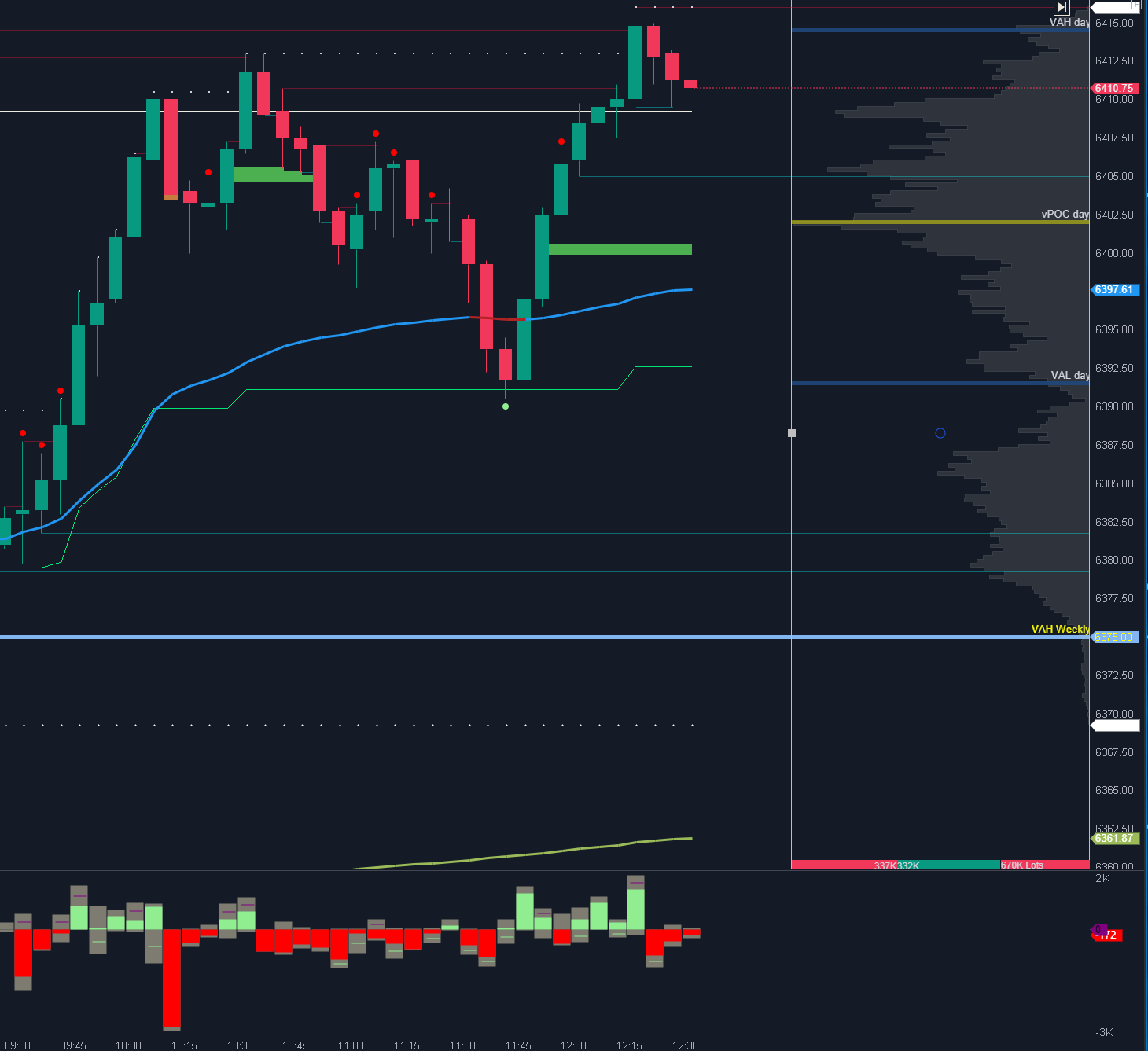
The market exhibited classic sell absorption behavior today, with heavy red delta (aggressive selling at the bid) failing to push ES lower while candles remained green. This divergence between order flow aggression and actual price movement indicated strong underlying buying pressure, likely from dealer hedging in a positive gamma environment or large resting bids absorbing the selling pressure.
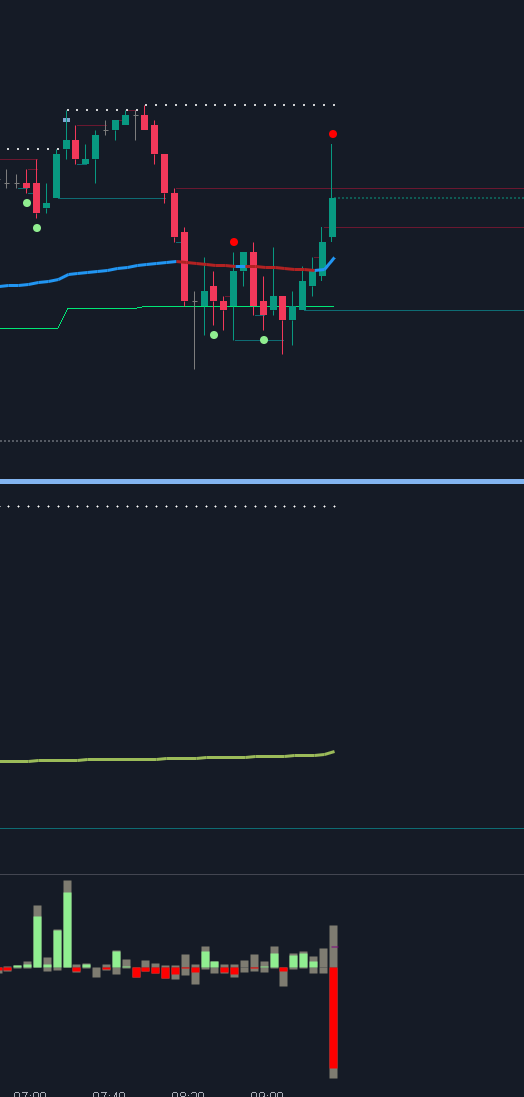
This move caught me off guard and highlighted the importance of waiting for price confirmation rather than relying solely on volume or order flow indicators.
Thesis & Plan
My original plan involved a 0DTE call spread with a put-selling hedge, but this approach proved flawed in the context of sell absorption. The thesis should have been bullish based on the delta/price divergence - when aggressive sellers can't push price down, it typically indicates:
- Sell absorption from large passive buyers
- Short covering after failed breakdown attempts
- Thin offer-side liquidity creating easy upward movement
- Dealer long-gamma backdrop dampening downside moves
Entries & Exits
I was up $200 in the morning but failed to close the call spread early at the open when I had the opportunity to take a 70-point profit. Instead of managing the position properly, I held on as the market ripped higher, turning a winning trade into a $150 loss.
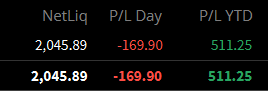
The call hedge proved useless, and my attempt to sell puts was completely wrong given the market's absorption dynamics.
Risk Management
My risk management was poor today. I should have:
- Closed the profitable call spread at the open for the available 70-point gain
- Recognized that my hedge was ineffective and adjusted accordingly
- Used proper position sizing relative to my account recovery goals
I'm still working to recover from a previous $400 loss, which may be affecting my decision-making and patience levels.
What Worked / What Didn't
What didn't work:
- Holding a profitable position too long without taking available profits
- Using puts as a hedge in a sell-absorption environment
- Ignoring price action confirmation in favor of volume/order flow signals
- Getting impatient with account recovery timeline
What worked:
- Recognizing the delta/candle divergence pattern for future reference
- Maintaining focus and patience despite setbacks
- Learning from the specific market dynamics at play
Lessons Learned
The biggest lesson from today is understanding what red delta vs. green candles actually tells you about market structure. When you see aggressive selling (red delta) that fails to move price lower, this is bullish absorption - not bearish action.
Key rules for future trading:
- Wait for price confirmation - Don't rely solely on volume or order flow
- Take profits when available - Especially on 0DTE positions with time decay risk
- Match hedge direction to market regime - In absorption environments, cheap call spreads work better than put selling
- Context matters for delta interpretation - Red delta above VWAP/key levels that holds those levels is bullish
- Manage time decay actively - 0DTE positions require aggressive profit-taking
Repeatable setup identified: The "Delta Trap Long" - when red delta fails to make lower lows and price reclaims VWAP, look for long entries on pullbacks to the absorption level.
For credit spreads, the lesson is to sell put spreads below absorption lows rather than call spreads when seeing this pattern. The key is positioning short strikes under positive gamma shelves while avoiding negative gamma pockets.
Moving forward, I need to be more patient with both individual trades and overall account recovery. The price action is the ultimate arbiter - when sellers can't control the market despite being aggressive, the other side is stronger. This was a $350 lesson in respecting market structure over order flow noise.