null
Trading notes for 2025-08-07
By Sean WeldonTL;DR
Lost another futures prop firm account due to tilt trading and oversizing positions, despite having the right initial directional bias. The psychological difference between fake prop accounts and real money is stark - I make better decisions and avoid tilt with my actual capital. Meanwhile, my options trading continues to perform well with proper risk management.
Market Context
The market was showing signs of weakness with a significant downward move developing. I identified the bearish setup correctly from the beginning and positioned short, anticipating the decline that eventually materialized.
Thesis & Plan
My initial thesis was bearish, and I entered short positions expecting a downward move. The plan was sound - I correctly identified the market direction and got positioned accordingly. However, my execution and risk management fell apart despite having the right read on market conditions.
Entries & Exits
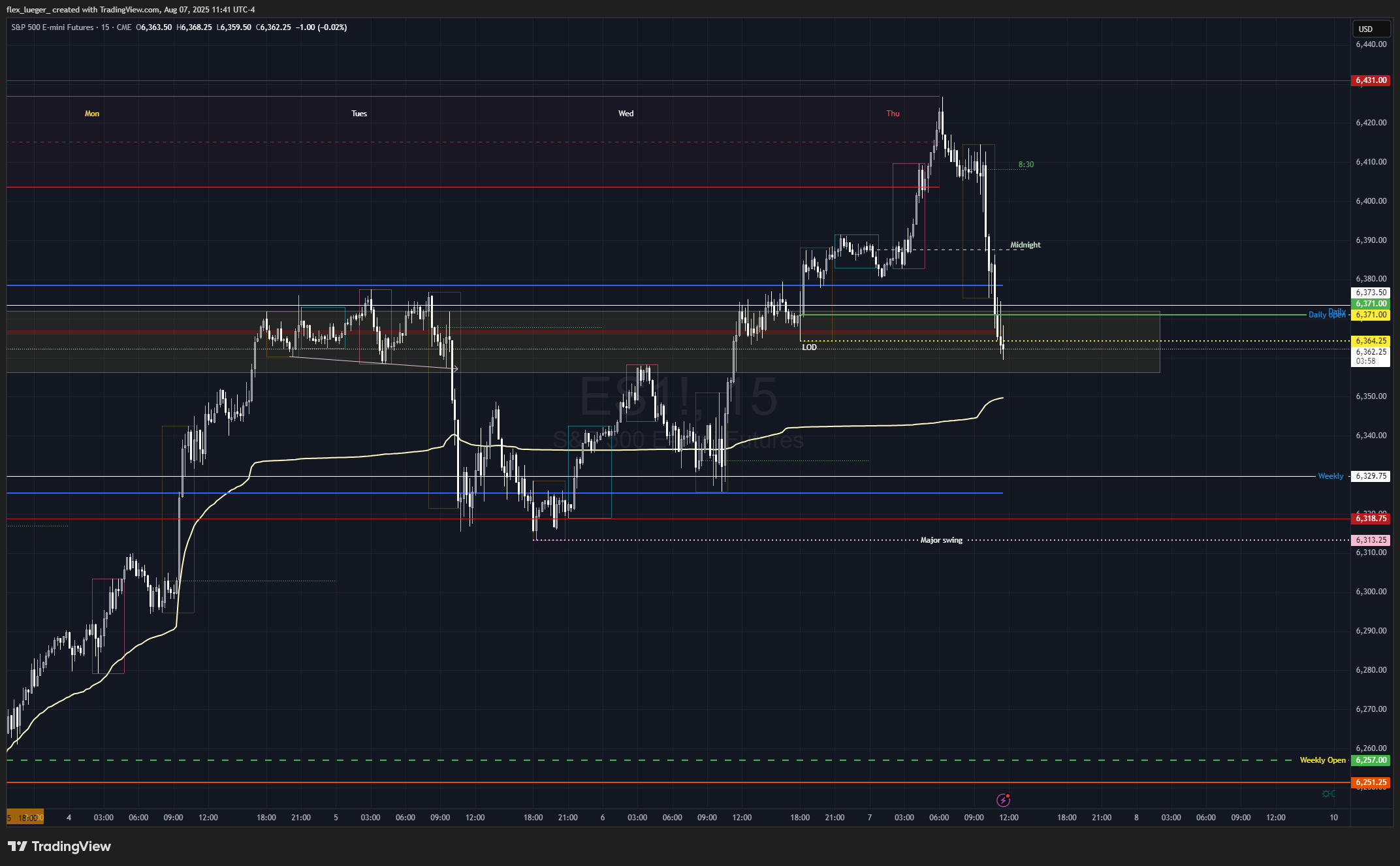
Here's how the trades unfolded:
- Initial short position: Entered correctly anticipating the down move
- First mistake: Cut the short loss too early, right before it actually hit my target
- Second mistake: Tried to catch the bounce around midnight, going long when price bounced
- Account killer: Price took out the lows instead of bouncing, and I chased it with oversized positions on the 2nd and 3rd attempts to get long
The sequence shows a classic case of being right initially, then completely unraveling through poor risk management and emotional trading.
Risk Management
This is where everything went wrong. My risk management on the futures prop account was completely absent:
- Oversizing positions: Instead of maintaining consistent position sizes, I increased size when trades went against me
- Chasing losses: After the initial winning setup failed to play out as expected, I tried to force trades
- No stop discipline: Cut winners too early and let losers run with excessive size
The contrast with my options account is telling - there I maintain proper position sizing and don't go on tilt.
What Worked / What Didn't
What worked:
- Initial market read was correct - identified the bearish setup perfectly
- Options account continues performing well with disciplined approach
What didn't work:
- Psychology and emotional control on the prop account
- Position sizing discipline
- Sticking with the original plan when it started working
- Managing the transition from short to long bias
Lessons Learned
The most important insight from this loss is the psychological difference between trading with "fake" prop firm money versus real capital. This reveals several critical points:
The prop firm psychology trap: Even though prop firm capital can lead to real profits, my brain treats it differently than my actual money. With my real account, I'm naturally more disciplined because the psychological pain of loss feels immediate and real.
Tilt trading patterns: I need to recognize when I'm going on tilt earlier. The sequence was predictable:
- Right initial setup
- Poor timing on exit
- Revenge trading to "get it back"
- Oversizing to make up for losses quickly
- Account blown
Rules for future prop firm trading:
- Treat prop firm capital exactly like my own money psychologically
- Set hard position size limits and stick to them regardless of recent P&L
- When I cut a position early and it goes my way, don't immediately reverse direction
- Take breaks between losing trades to reset emotionally
- If I find myself wanting to "get back" losses quickly, step away from the platform
The options account contrast: My options trading remains profitable because I naturally apply better risk management there. I need to study what I do differently with options and apply those same principles to futures:
- Consistent position sizing
- Accepting small losses without revenge trading
- Not chasing setups that have moved too far
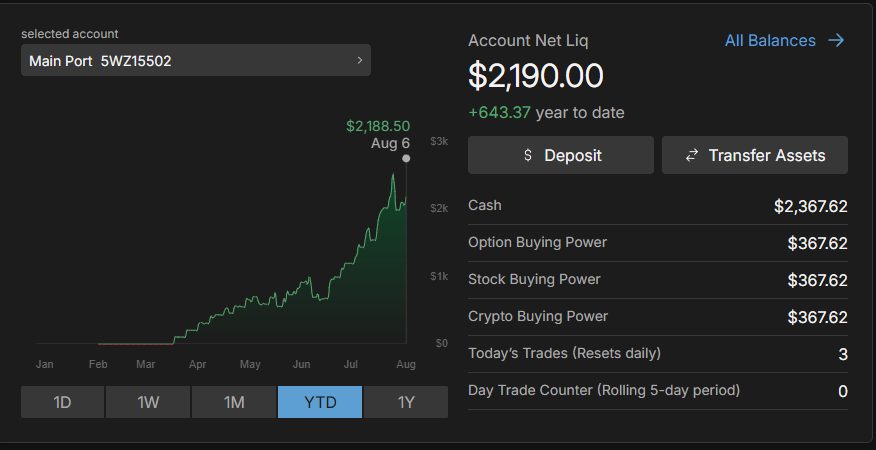
The fact that I can trade profitably in one account while blowing up another shows this isn't about market analysis or trading skills - it's purely psychological and risk management related. The challenge now is bridging that gap and bringing the same discipline I show with real money to the prop firm environment.
Moving forward, I'm implementing a mandatory cooling-off period after any losing trade on prop accounts, treating each trade as if it's coming directly from my personal account, and setting hard rules about position sizing that I cannot override in the moment, regardless of how "sure" I feel about a setup.